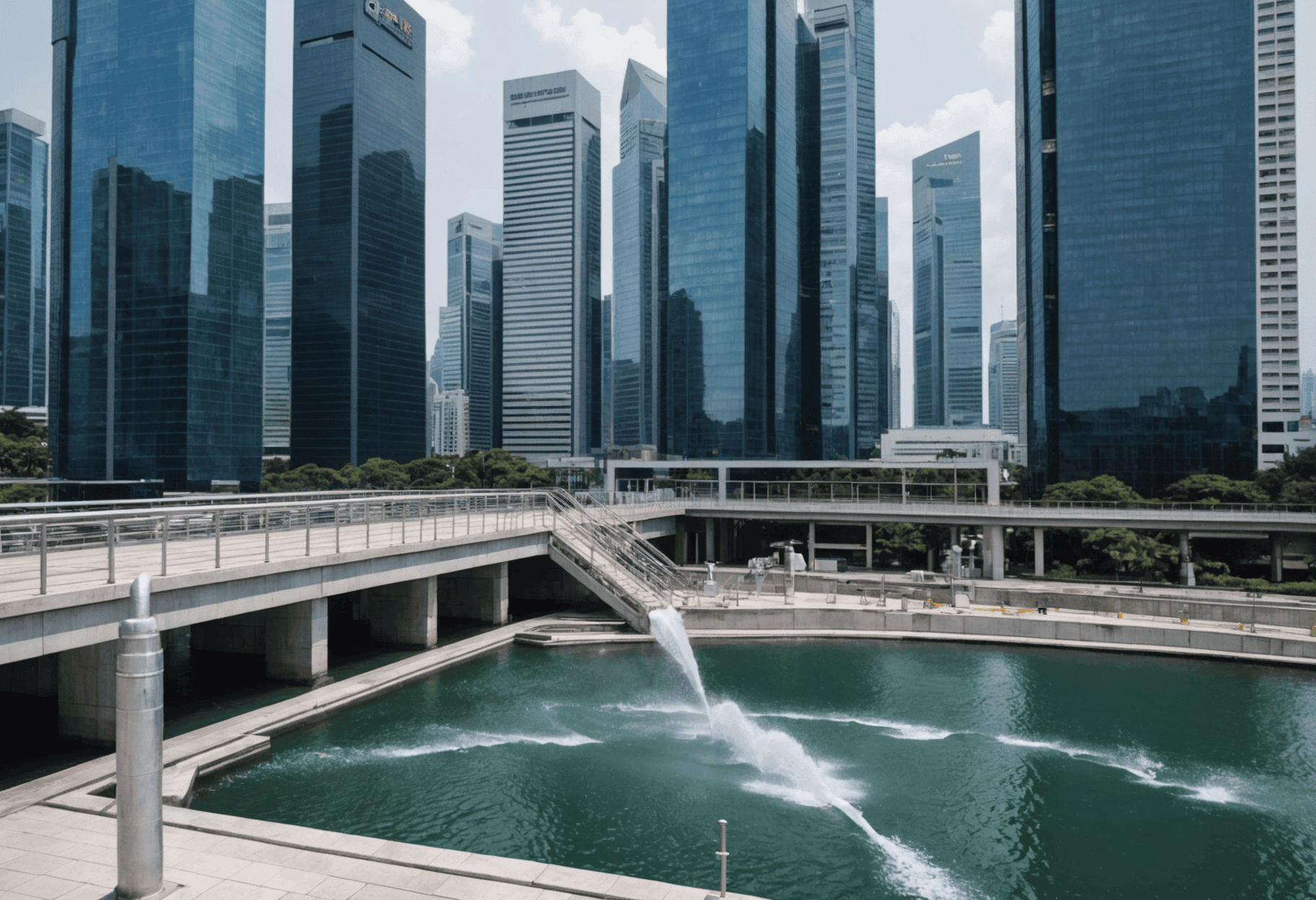
Water pressure matters a lot in every building around Singapore, from skyscraper apartments to crowded shops. When water pressure stays steady, showers blast just right, taps don’t drip, and pipes stay strong without trouble. I’ve watched how low pressure can turn simple fixes into huge headaches and cost big bucks. Keeping water pressure balanced makes plumbing last longer and work better. Buildings that nail this sidestep annoying troubles and keep water flowing without sudden breakdowns. Keep reading to find out how to keep water moving smoothly and avoid expensive headaches later on.
Singapore’s urban landscape with its tall buildings and dense population density makes managing water pressure a vital consideration. With the city-state’s unique infrastructure, a well-designed water supply system requires a careful assessment of pressure needs during each phase of construction or renovation. Understanding these requirements helps building owners and engineers avoid common pitfalls and ensure a reliable water supply that meets the demands of modern facilities.
What Is Water Pressure and Why Does It Matter in Singapore Buildings
Water pressure refers to the force exerted by water flowing through plumbing pipes, measured in units called bar or pounds per square inch (psi). In Singapore, where space efficiency and safety are paramount, maintaining the correct water pressure is key to ensuring that fixtures like showers, taps, and fire sprinklers function properly.
Inadequate water pressure can lead to weak water streams, poor flushing toilets, and even damage to plumbing components over time. Conversely, excessively high pressure can cause pipe leaks, cracks, and waste energy. Thus, understanding what specific pressure levels are suitable for different types of buildings is fundamental for engineers, developers, and maintenance teams aiming for both efficiency and safety.
Factors Influencing Water Pressure in Singapore Buildings
Building Height and Design
The height of a building greatly affects water pressure distribution. Taller structures require higher initial water pressure, especially on upper floors, to ensure consistent flow. For multistory developments, pressure boosting systems are often integrated to overcome gravitational challenges.
Position of the Water Source
Water is supplied from municipal sources, which maintain their own pressure standards. The proximity of the building to the main water supply influences baseline pressure levels. Buildings located farther from the supply point may need additional pressure boosters to compensate for pressure loss over distance.
Pipe Diameter and Material
Older buildings may have smaller pipe diameters or outdated materials that restrict flow, leading to lower pressure. Modern pipes with larger diameters and smoother materials help maintain pressure and improve flow rate. Selecting appropriate piping is an essential part of construction and refurbishment projects.
Understanding Singapore’s Water Pressure Standards
Municipal Water Pressure Requirements
The PUB, Singapore’s national water agency, typically maintains a standard municipal water pressure around 2 to 4 bar at street level. This standard ensures that water reaches most buildings with sufficient force for everyday use, provided there are no significant elevation changes or system losses.
Building-Specific Pressure Needs
Commercial and high-rise buildings often require higher pressure levels, sometimes between 4 to 10 bar, to ensure uniform water distribution across all floors. In contrast, residential buildings usually function well within the 2 to 4 bar range.
Designing Plumbing Systems to Meet Water Pressure Requirements
Pressure Zones and Pumping Systems
Implementing pressure zones via pump systems allows different parts of a building to receive adequate flow. Booster pumps are commonly installed above ground or underground, especially in taller structures, to maintain consistent pressure regardless of the building’s elevation.
Storage Tanks and Gravity Systems
Storage tanks placed at higher points serve as gravity-fed sources that help stabilize water pressure. Properly designed tanks prevent pressure fluctuations and ensure that water reaches fixtures with steady force. Combining tanks with additional pump systems can provide reliable pressure even during peak usage times.
Importance of Regular Pressure Testing and Maintenance
Consistent testing helps identify pressure drops or irregularities that could indicate system issues. Skilled plumbers, like those found at https://sgplumber.sg/, can conduct pressure tests to diagnose problems, adjust pump settings, or recommend pipe replacements. Routine maintenance prolongs system life and ensures water pressure remains within desired ranges.
Common Water Pressure Challenges and How to Address Them
- Low Water Pressure: Often caused by pipe blockages, leaks, or insufficient pump capacity. Solutions include pipe cleaning, upgrading pumps, or installing pressure-boosting devices.
- High Water Pressure: Can cause pipe damage and increased wastage. Installing pressure reducers or regulating valves helps keep pressure within safe limits.
- Pressure Fluctuations: Might occur due to inconsistent pump operation or demand surges. Stabilizers and automatic control systems can mitigate these issues.
Practical Tips for Building Owners and Developers
- Always consult with qualified plumbing and hydraulic engineers during design phases to determine exact pressure requirements.
- Use pressure regulation devices to ensure fixtures receive optimal flow without risking pipe damage.
- Plan for future expansions or upgrades by selecting scalable pump and piping solutions.
- Schedule regular system inspections to detect and fix pressure issues early before they escalate into costly repairs.
- Educate maintenance staff and tenants about water pressure management to prevent misuse that could compromise system integrity.
Conclusion
Maintaining the right water pressure in Singapore buildings is essential for functionality, safety, and longevity of plumbing systems. Understanding the factors that influence pressure, adhering to municipal standards, and implementing effective design strategies and regular maintenance can prevent common issues and ensure a reliable water supply for all occupants.
If you are planning a construction project or need assistance with existing water pressure systems, seeking expert advice can make a significant difference. Skilled professionals from https://sgplumber.sg/ provide tailored solutions to address unique building requirements. Prioritizing proper water pressure management not only safeguards your property but also ensures comfort and efficiency for everyone using your facilities.